Approving a villa concept because the front facade looks confident is a costly shortcut if the plan has not tested sun, wind, frontage, privacy, and neighbouring buildings. In the UAE climate, plot orientation is an early comfort-control and cost-control decision in modern house design.
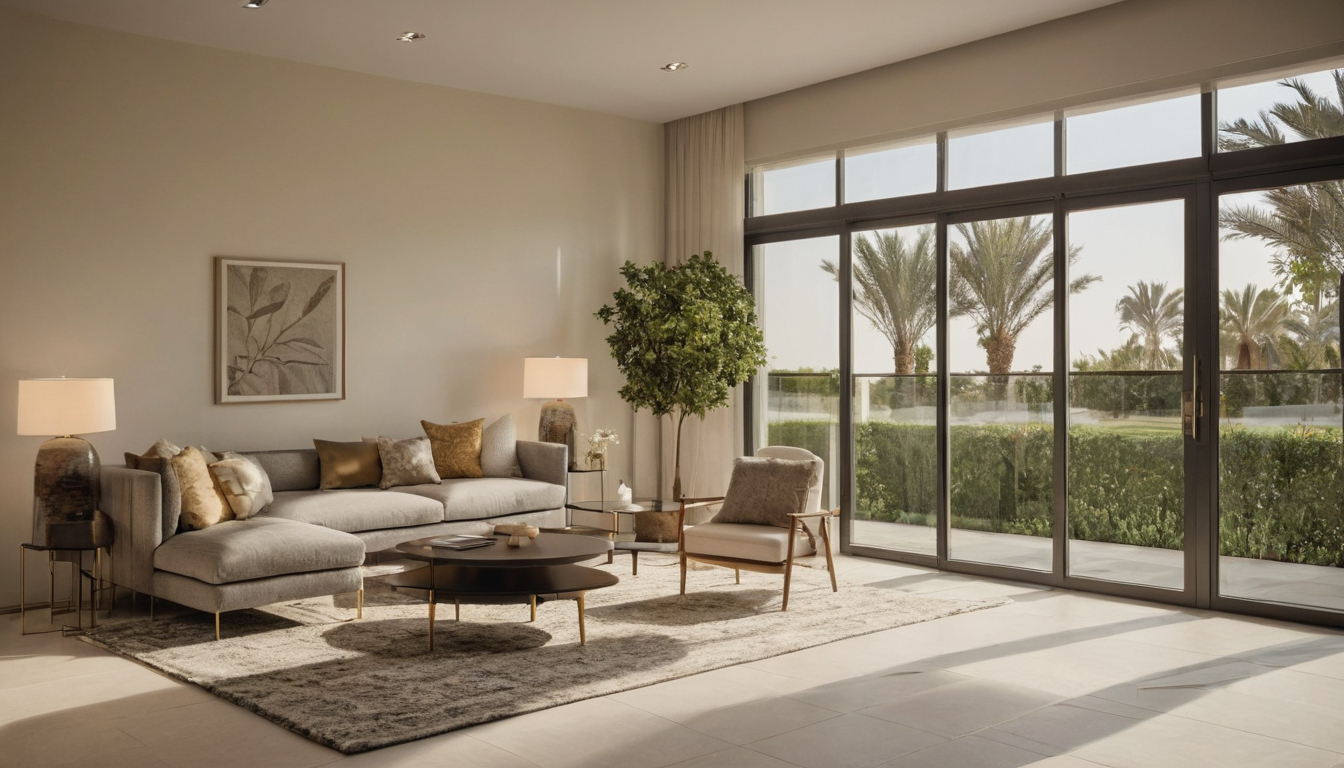
How Villa Plot Orientation Shapes Modern House Design in the UAE Climate shown with floor, wall, and fixture relationships visible.
What should villa plot orientation decide before a modern house design concept is approved?
Villa plot orientation should decide massing, room hierarchy, facade exposure, outdoor zones, service access, privacy, and authority constraints before a UAE owner approves the concept.
The orientation review should start with a plot constraint map, not a facade image
The first drawing should show boundaries, levels, road frontage, north arrow, corner or mid-block condition, utilities, gate options, service entries, authority easements, neighbouring villa positions, and likely overlooking points. A facade image is useful later; a constraint map prevents the project from becoming negotiation by rendering.
Climate belongs on the same map. The World Meteorological Organization defines climatological standard normals as 30-year averages, while the Climate of Dubai record describes a tropical desert, hot arid climate with summer and winter seasons.
The concept approval should separate fixed rules from design preferences
Fixed constraints come from the affection plan, jurisdiction rules, plot geometry, climate, and neighbours. Preferences are ranked choices: view, privacy, daylight, outdoor use, pool location, facade style, and budget.
The Dubai record states that summer temperatures regularly exceed 38 °C and fall to about 26 °C overnight, while January averages about 22 °C by day and 12 °C overnight. It also notes scarce summer rainfall, frequent dust storms, hot winds, high humidity, winter precipitation, and an urban heat pattern.
Interior planning also belongs in concept approval. The U.S. Environmental Protection Agency advises fixing condensation and damp spots promptly to prevent mold growth, and the EPA identifies paints, varnishes, building materials, and furnishings as common indoor VOC sources.
How does the UAE sun path affect room placement, glazing, and shading in villa architecture?
In UAE villa architecture, sun path should protect east and west facades, control roof heat gain, and place rooms according to heat tolerance and time of use.
East and west facades need the strictest heat-gain control in modern house design
East and west elevations are the first risk test because low morning and afternoon sun is harder to block with a simple horizontal overhang. Tall stair glazing on a fashionable front elevation can become a heat-gain problem before the owner has chosen furniture.
- Risk: East bedrooms can overheat early, while west-facing family rooms can receive harsh late sun during peak use.
- Design check: Request facade orientation in degrees, not only “east” or “west” labels.
- Specification check: Review window size, recessed openings, vertical fins, screens, wall insulation, and glazing performance together.
North and south facades usually offer better daylight opportunities when shading is designed correctly
North and south facades often give the architect more control, but they are not automatic permission for glass. South-facing glazing without calculated overhang depth can admit avoidable heat, so living rooms, dining rooms, studies, and circulation should be tested against daylight preference and shading depth.
Roof, courtyard, and pool exposure should be reviewed as part of the same solar strategy
Villa orientation is not only wall direction. Roof build-up, skylights, roof terraces, courtyard proportions, boundary-wall shadows, and pool deck exposure can decide whether outdoor areas work or sit empty. Ask for roof insulation assumptions, skylight locations, pool shadow studies, and courtyard shade options before approving the facade.
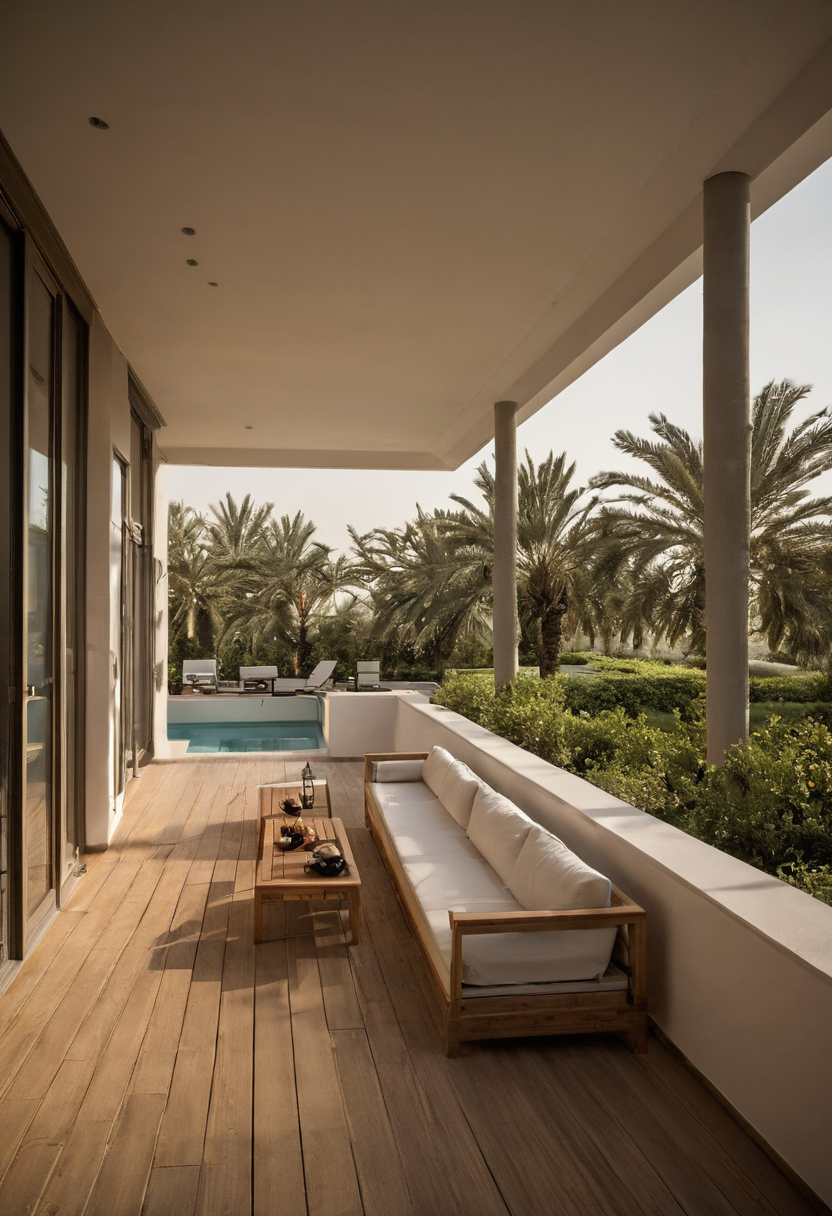
How does the UAE sun path affect room placement, glazing, and shading in villa architecture shown as a planning reference for layout, scale, and material decisions.
How should wind, humidity, and dust influence UAE villa massing and outdoor rooms?
Wind can improve shaded outdoor comfort, but it should not be treated as a substitute for cooling during hot and humid UAE periods.
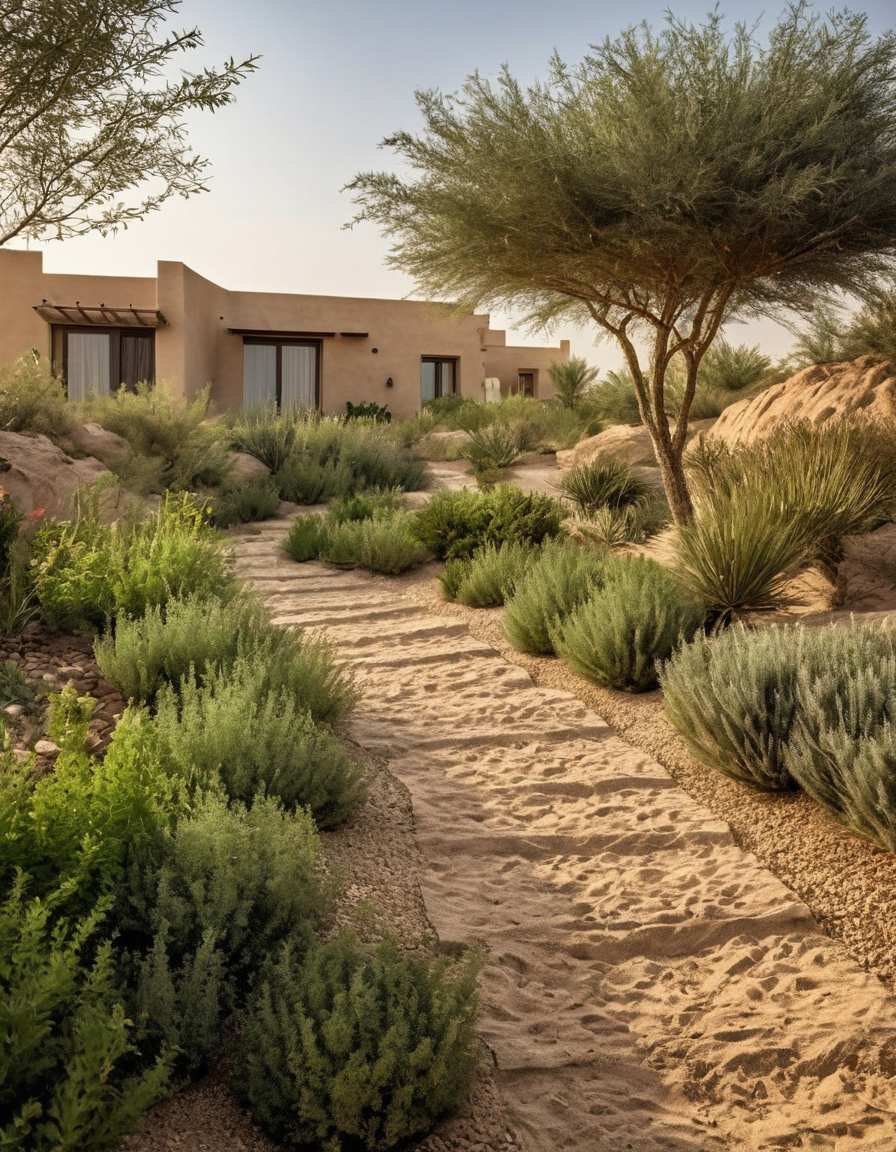
How should wind, humidity, and dust influence UAE villa massing and outdoor rooms shown with outdoor scale and terrain cues.
Cross-ventilation works best as a shoulder-season comfort strategy, not as a full summer cooling strategy
Cross-ventilation is useful when outdoor air is tolerable, openings are secure, and privacy is protected. It becomes a weak promise when the concept depends on open windows during peak heat, dust events, or humid evenings.
Dubai’s summer is described as running from around the last week of April to the first week of October, with extremely hot weather, hot winds, and high humidity. Natural air movement can support shaded terraces in suitable months, but mechanical cooling, filtered fresh air, and controlled infiltration remain core villa decisions.
- Ask for seasonal wind arrows on the site plan. They should show likely breeze direction, dusty exposure, road frontage, and neighbouring obstructions.
- Test operable windows against privacy. Bedroom, bathroom, and family-room openings may be technically ventilated but socially unusable.
- Coordinate insect screens, security, and AC zoning. A large sliding opening that is rarely opened is not a ventilation strategy.
Courtyards and terraces need wind, shade, and privacy to work at the same time
Courtyards fail when they are treated as lifestyle images rather than measured outdoor rooms. A narrow, tall courtyard may trap heat; a wide exposed courtyard may collect glare, dust, and reflected heat from paving.
For Dubai, the same climate source lists annual average precipitation at 94.7 mm across 25.5 average precipitation days, and a mean daily maximum temperature of 33.9 °C for the year. Low rainfall shifts attention toward dust, irrigation, surface heat, drainage falls, and cleanable finishes.
How do frontage, neighbours, and privacy shape room placement in UAE house interior design?
In UAE house interior design, frontage and neighbouring buildings should decide where guest zones, family rooms, bedrooms, balconies, and service areas sit inside the villa.
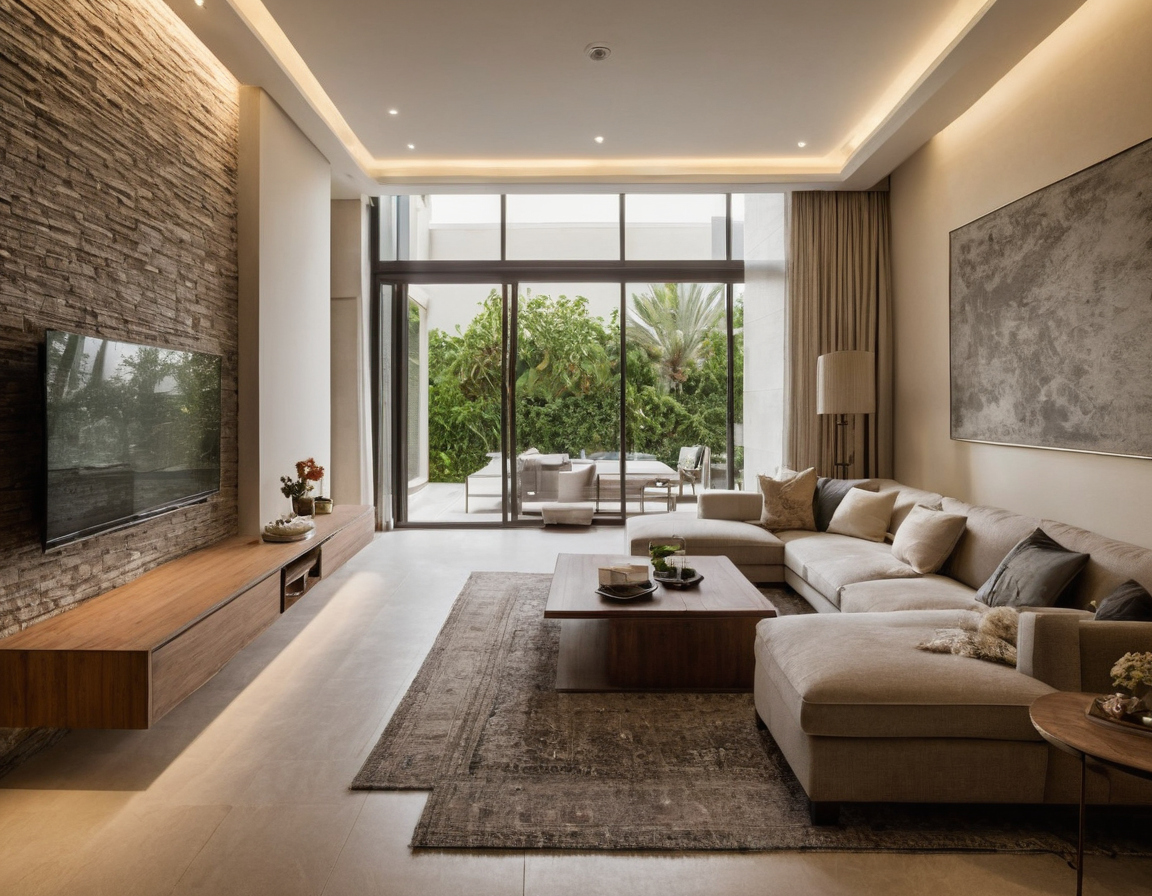
How do frontage, neighbours, and privacy shape room placement in UAE house interior design shown with finish, fixture, and clearance relationships visible.
The entrance sequence should protect privacy before it creates architectural drama
The entrance sequence should be drawn as a sightline study from the street, gate, foyer, driveway, and neighbouring upper floors. A dramatic glass lobby can become a daily privacy problem if the front door opens toward family living, stairs, or private areas.
The guest route should move cleanly from gate or parking to Majlis, formal living, powder room, or dining without cutting through the family core. The family route should work separately from garage or shaded parking to kitchen, storage, laundry, and family living.
Bedroom windows and balconies should be planned against neighbour exposure early
Bedroom placement should respond to existing neighbouring windows, balconies, roof terraces, and likely future villa massing if adjacent plots are vacant. The wrong elevation can force the owner into frosted glass, closed curtains, blocked balconies, or awkward furniture positions after approval.
Window sill heights, recessed openings, angled screens, balcony side walls, and landscape buffers should be part of the concept. Boundary wall height, overlooking limits, projections, and landscape screening rules must be checked before the facade is treated as final.
Guest zones such as the Majlis need orientation, access, and cultural privacy checks
A Majlis, mixed-use formal room, or guest suite needs a clear decision: direct external access, internal family connection, or both. That decision affects parking, powder room position, dining access, acoustics, and privacy between guests and family areas. For more context, see this guide to contemporary Majlis planning.
Which orientation trade-offs should villa owners approve before asking for detailed architectural design?
Villa owners should approve orientation trade-offs before detailed architectural design because every plot has conflicts between view, heat, privacy, frontage, authority rules, and budget.
A concept review table should compare each room against sun, privacy, and access
The approval brief should rank view, daylight, privacy, facade appearance, cooling efficiency, outdoor living, and resale value before elevations develop. A sea-facing lounge may justify larger shaded glazing; a west-facing bedroom may not.
The room matrix should mark each space as public, semi-private, private, service, or outdoor, then test orientation, time of use, desired daylight, privacy risk, cooling sensitivity, and access. Risky rooms should carry a design response, such as deeper shading, adjusted window height, screen walls, planting, or a revised position.
Questions for house designers near me should test process, not only portfolio style
- Ask for concept options with written pros and cons, not one polished facade.
- Ask how solar exposure, neighbour windows, service access, and authority constraints were checked.
- Ask when cooling assumptions, glazing specification, insulation, and shading systems enter the programme.
- Ask how fit-out ventilation will be managed, since the U.S. Environmental Protection Agency recommends increased ventilation when VOC-emitting products are used indoors.
What evidence should an orientation review package include for a UAE modern villa?
An orientation review package for a UAE modern villa should include the site survey, authority constraints, solar study, wind and privacy notes, room-placement logic, facade exposure strategy, and early material or glazing assumptions.
The owner should ask for drawings that explain why rooms sit where they sit
The minimum concept-stage package should include annotated ground-floor and first-floor plans, massing diagrams, road access, service access, outdoor zones, neighbour edges, and street sightlines. The plans should explain why the Majlis, family living, kitchen, bedrooms, balconies, stairs, pool, and shaded terraces occupy those positions.
Material and glazing assumptions should be documented before facade approval
Facade approval should include preliminary notes for glazing performance, roof and wall insulation, external screens, overhangs, pergolas, deep reveals, insulated doors, and shading hardware. These notes do not replace engineering, but they stop the facade from becoming a procurement surprise after the design is fixed.
FAQ
What is the best orientation for a villa in Dubai or the UAE?
The best orientation depends on plot frontage, neighbours, views, setbacks, and room use. In most cases, the better answer is a plan that protects east and west heat exposure, controls roof gain, and places private rooms away from overlooking.
What is building orientation in a warm and humid climate?
Building orientation is the placement of massing, openings, rooms, outdoor areas, and shade in response to sun, wind, humidity, and privacy. It should reduce unwanted heat gain while allowing controlled daylight, ventilation, and filtered fresh air.
Should a UAE villa prioritise views, privacy, or lower heat gain first?
A UAE villa should prioritise fixed constraints first: authority rules, privacy exposure, and major heat-gain risks. Views can then be framed with shaded glazing, screens, courtyards, or selective openings.
How can I judge whether house designers near me understand villa orientation?
Ask for a north arrow, solar notes, neighbour study, access plan, and room-by-room trade-off matrix. A strong designer can explain why each major room sits where it sits before showing a polished facade.
Does modern UAE villa architecture need smaller windows to stay cool?
Not always. Modern UAE villa architecture needs better-positioned windows, suitable glazing, deeper reveals, external shading, roof and wall insulation, and coordinated cooling design. Large glass can work only when the orientation and specification justify it.