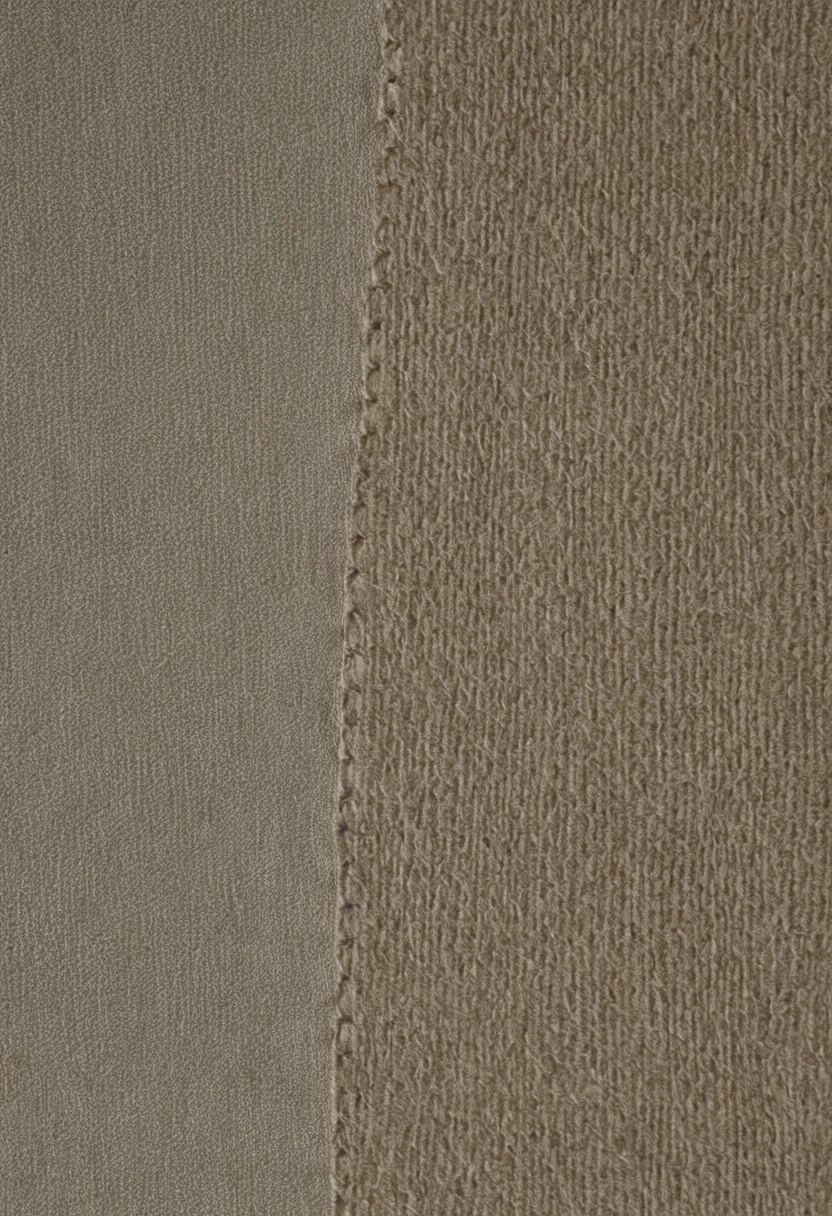
A room with upholstery, curtains, decorative trim, and a rug needs one coordinated material schedule. The schedule’s purpose is to connect each chosen material to a location, a sample, and a decision owner before cutting or installation begins.
A mood board is useful for color and atmosphere, but it cannot tell a workroom which edge receives braid, which face of a velvet points upward, or whether the rug border should remain visible beneath furniture. A technical schedule answers those questions in words and dimensions. It also records what remains unverified so a purchasing team does not substitute guesses for approval.
Which fields make a textile schedule usable?
A usable textile schedule identifies each material, its intended application, exact reference, approved color and sample, composition, construction, dimensions, pattern direction, finishing details, care, and applicable tests. The fields should be tied to a room and an item of furniture or window. A general entry called “blue fabric” cannot protect a design when several blue textiles arrive at a workroom.
Separate the visible face from supporting layers. A curtain can include face cloth, lining, interlining, heading tape, and decorative trim. A chair can include upholstery, piping, backing, and cushion fabric. A rug can include a pile, foundation, edge finish, and pad. The schedule should name each layer where its identity affects performance, appearance, ordering, or maintenance. One material reference cannot stand for the complete assembly.
The Association for Contract Textiles’ quality guidelines define usable width as the portion of cloth excluding selvedges, pinholes, and unfinished parts. The guidelines list 54 in as a common upholstery usable width but no common drapery width. Those figures are industry reference points, not measurements for the specific roll on the project. The ordered textile’s usable width belongs in its own schedule line.

How should fabric, trim, and rug choices be linked?
Link the three materials through actual adjacency rather than a vague phrase such as “coordinate colors.” Name the surfaces that meet: rug edge against floor, sofa fabric above rug, curtain against painted wall, braid against curtain face. Record which sample was approved alongside which other samples. A new rug dye lot or a revised curtain lining can change the comparison even if the individual product names remain the same.
For patterned material, record repeat and orientation. A vertical stripe on a curtain has a clear intended direction; a jacquard motif on a sofa needs a cutting plan at cushions and arms; a bordered rug needs a drawing that shows where furniture will cover the border. The Carpet and Rug Institute’s commercial carpet installation standard notes that patterned carpet can require extra material for matching and that seam diagrams should show pattern direction. The standard is for installed carpet, but it illustrates why orientation and matching cannot be left to a single color swatch.
The schedule should distinguish approved design intent from supplier feasibility. A designer may specify a centered rug motif. A supplier must confirm the available construction and minimum order. A workroom must verify how a braid turns a corner. Those are different approvals. Keep a column for the party responsible for confirming each detail and a date for the decision.
| Item | Essential detail | Approval evidence |
|---|---|---|
| Sofa upholstery | Face, direction, usable width, care, test data | Full-size sample and technical sheet |
| Curtain assembly | Face, lining, heading, fullness, finished length | Hanging sample and window drawing |
| Decorative trim | Width, placement, corner treatment, attachment | Workroom mock-up |
| Rug | Dimensions, motif placement, edge, pad | Floor plan and approved sample |
Why do sample references need more than a photograph?
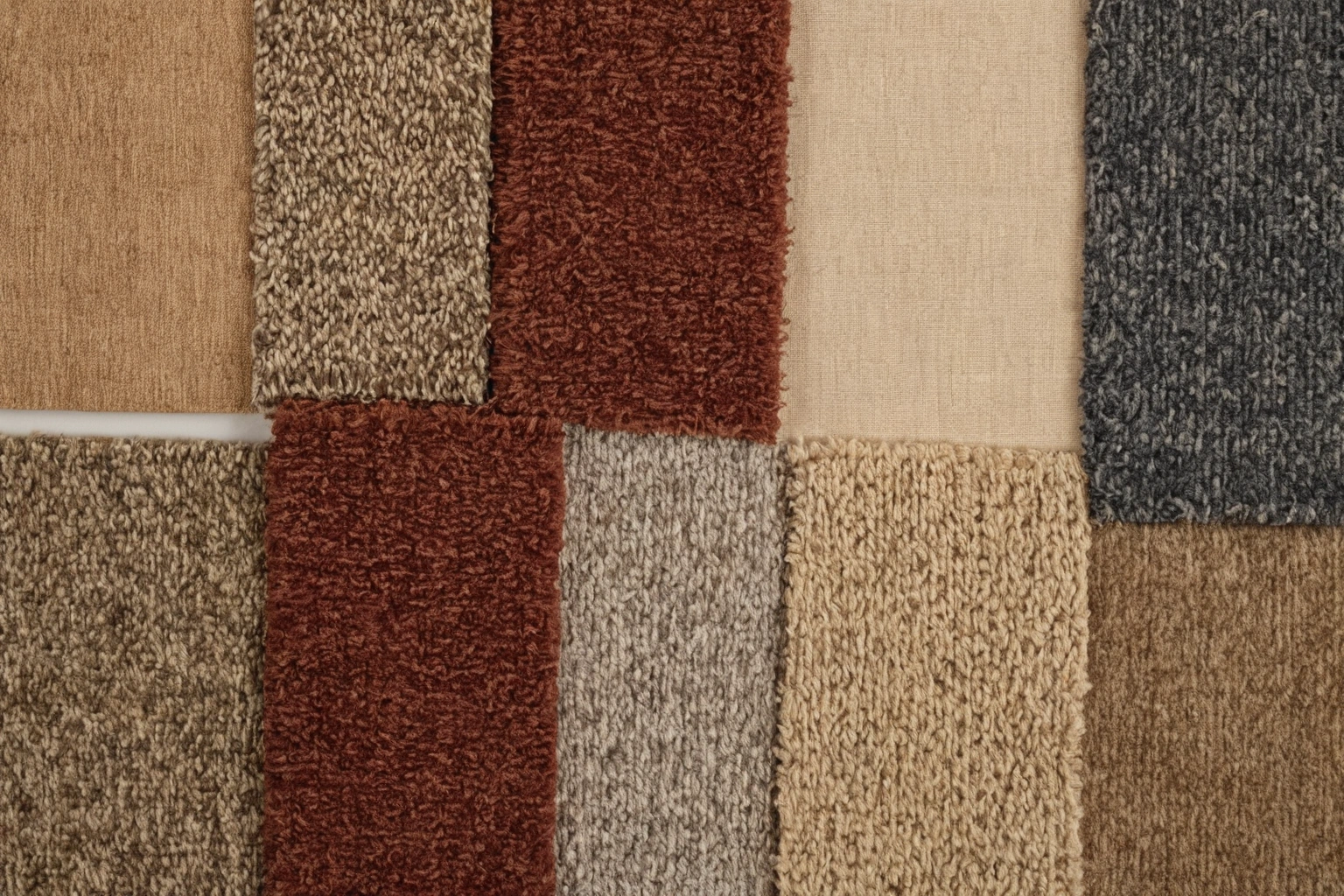
A photograph records an appearance under one camera, exposure, display, and light source. It may not show pile direction, backing, thickness, or hand. Keep the physical approved swatch and record its supplier code, colorway, size, and date. For a patterned textile, request enough material to show the repeat. For a rug, inspect a piece that represents the intended pile and edge finish, not only a small color tuft. When upholstery fabric and a custom carpet are ordered from the same Italian maker, as can happen with Sarelli Textiles, give each its own sample code rather than a single supplier line.
In U.S. sales, the Federal Trade Commission’s textile labeling guidance discusses the information required on samples used to promote covered textile products, subject to exemptions. Legal labeling and project documentation serve different purposes. A design team still needs the exact technical data to compare materials and approve substitutions, even where a finished item or sample falls under a particular exemption.
Attach a photograph as a locator, not as the sole master. The physical sample lets a maker compare delivered material with the approved surface. A digital record can make the schedule searchable, while the sample preserves texture and the room’s observed color. If the physical sample is lost, request a new one and reapprove it; a screenshot is a weak basis for a costly cut.
When should performance requirements enter the schedule?
Performance requirements should be stated before procurement, where they can influence the material choice. The Association for Contract Textiles’ voluntary framework sorts textile tests by construction, application, and indoor or outdoor use. A high-use sofa and a decorative curtain do not need the same evidence. Ask for abrasion, seam, pilling, lightfastness, cleaning, or flame information where the project’s use and applicable rules require it.
Do not put a bare test number in a schedule. Name the method, result, substrate, and intended application. A rub count for woven upholstery does not establish how a decorative braid will wear, and a drapery lightfastness result does not establish privacy. If a supplier cannot provide the requested evidence, flag the field as pending and revisit the product choice. Silence should not be interpreted as a pass.
The material schedule should also describe maintenance responsibilities. A rug that requires specialist cleaning, a curtain that cannot be washed as a complete assembly, and upholstery with a restricted spot-cleaning method affect the household after installation. Product-specific care instructions should be attached and handed over with the final schedule.
How can changes be controlled after approval?
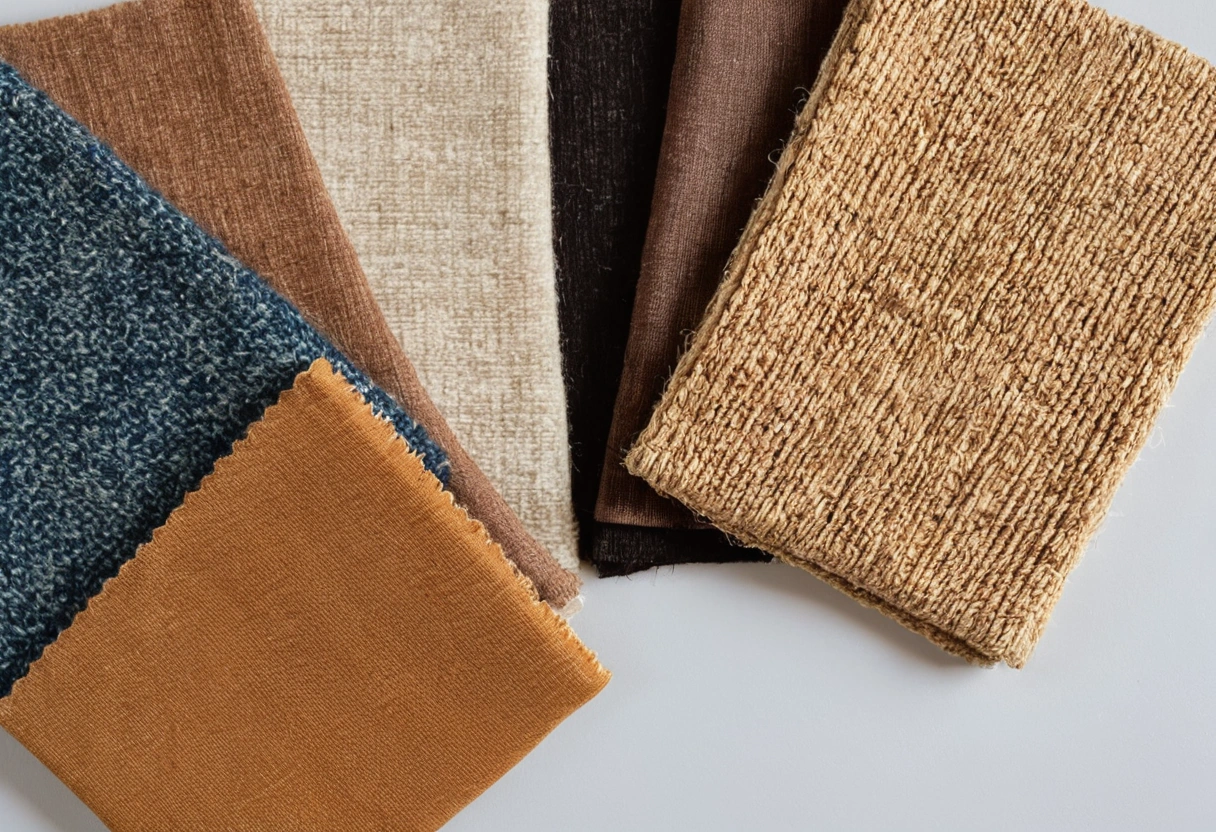
A change is material when it affects the approved appearance, dimensions, construction, or care. A different colorway, a new fabric backing, a reduced usable width, or a rug border revision should receive a new review. Preserve the old and new references in the record so a maker does not follow an outdated drawing. A verbal “close enough” decision is difficult to audit once goods have been cut.
- Mark the revision number and date on every schedule issue.
- Identify the approving person and the exact sample being approved.
- State what changed and which drawings or quantities must be recalculated.
- Confirm that suppliers and workrooms received the latest issue.
- Check delivered goods against approved samples before irreversible fabrication.
For floor coverings, the Carpet and Rug Institute calls for accurate measurements and drawings that show direction, seams, and accessories in installed carpet work. A loose custom rug has different installation details, but the same discipline of an explicit drawing helps control its size, orientation, border, and pad. The schedule and drawing should agree before the order is released.
The finished schedule should be concise enough for a maker to use and precise enough to expose unresolved decisions. Its value is operational: a room concept becomes a set of checkable instructions, and every material can be traced from the approved sample to the installed result.
At handover, retain the schedule with the care documents and supplier contacts. A later repair or replacement should begin with the same reference rather than a visual guess. The record also shows which details were decisions of the design team and which were confirmed by the installer or workroom. That distinction helps resolve a discrepancy without inventing a specification after the fact.